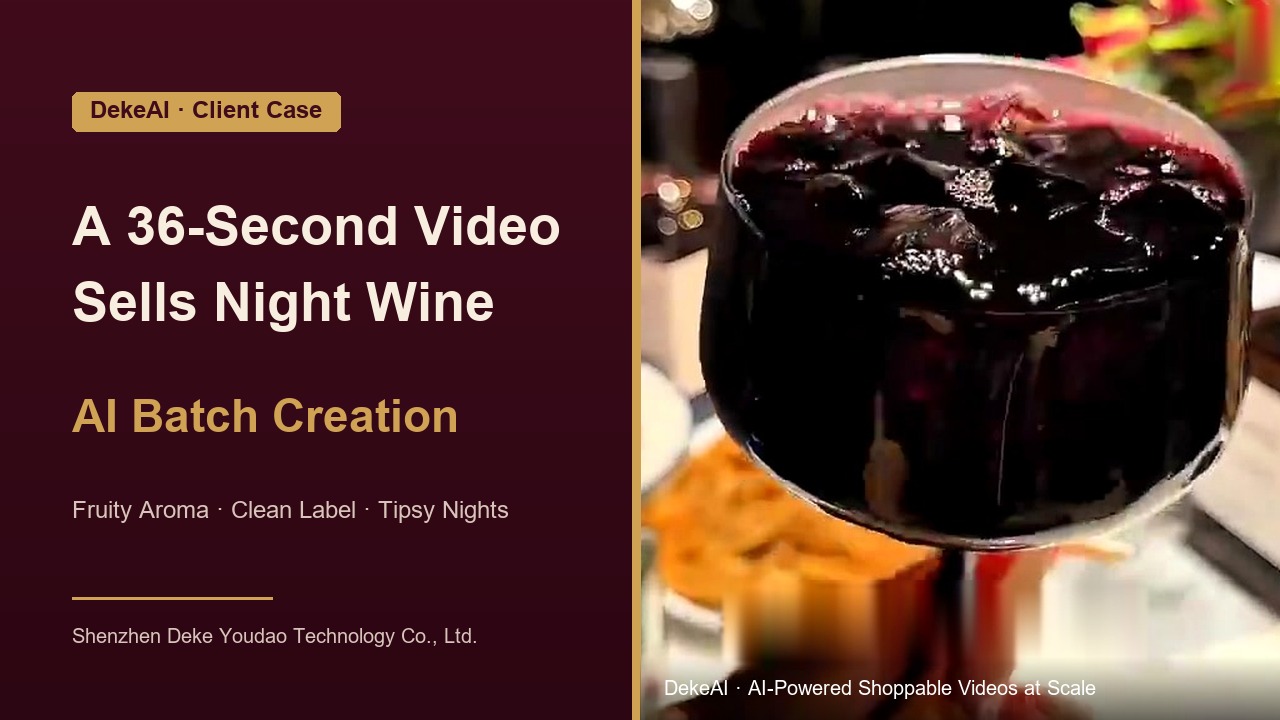
"Live footage on top + gradient text area at the bottom." Color scheme: deep wine red × off-white × dark gold
Customer profile: A tipsy fruit wine brand, mainly focused on a low-alcohol sweet red wine single product (square bottle 500ml, 12% ABV, made from premium Cabernet Sauvignon, ingredients only grape juice and sulfur dioxide). The target audience is the 20–35 tipsy economy crowd — women wanting to relax after work, young diners pairing it with late-night snacks, and gift-givers choosing presents for besties or girlfriends. Their decisions hinge on three things: "does it taste good, does it go to your head, does it look good as a gift."
Core pain points: Taste is the hardest thing to convey through a screen. Fruit aroma, floral notes, and the tipsy feeling can only be experienced by "taking a sip." Writing a hundred lines of "rich fruity flavor" on a product detail page is less persuasive than the image of a glass of deep ruby-red wine and the moment it's poured. Scenario materials are unaffordable to shoot, let alone shoot completely. The selling point of tipsy wine is "scenarios" — late-night snack companion, goodnight ritual, bestie gatherings. Every piece of material requires set design (dining table, wine glass, food pairing, bouquet), lighting, and post-production. The cost of hiring a team to shoot one video is enough to fund a week's ad spend, and capacity simply can't keep up with the testing rhythm. The same wine needs to speak to many types of people. Those drinking it themselves, pairing it with late-night snacks, giving it as gifts, and comparing prices (deal hunters, students) — one set of materials trying to appeal to everyone ends up moving no one, and the manpower and creative cost of multi-version scripts is extremely high. Alcohol advertising compliance is under high pressure. Platforms are extremely strict in reviewing alcohol ad qualifications, minor protection, and inducing drinking. The slightest line-crossing in copy leads to throttling or takedown, and teams are afraid to write or shoot.
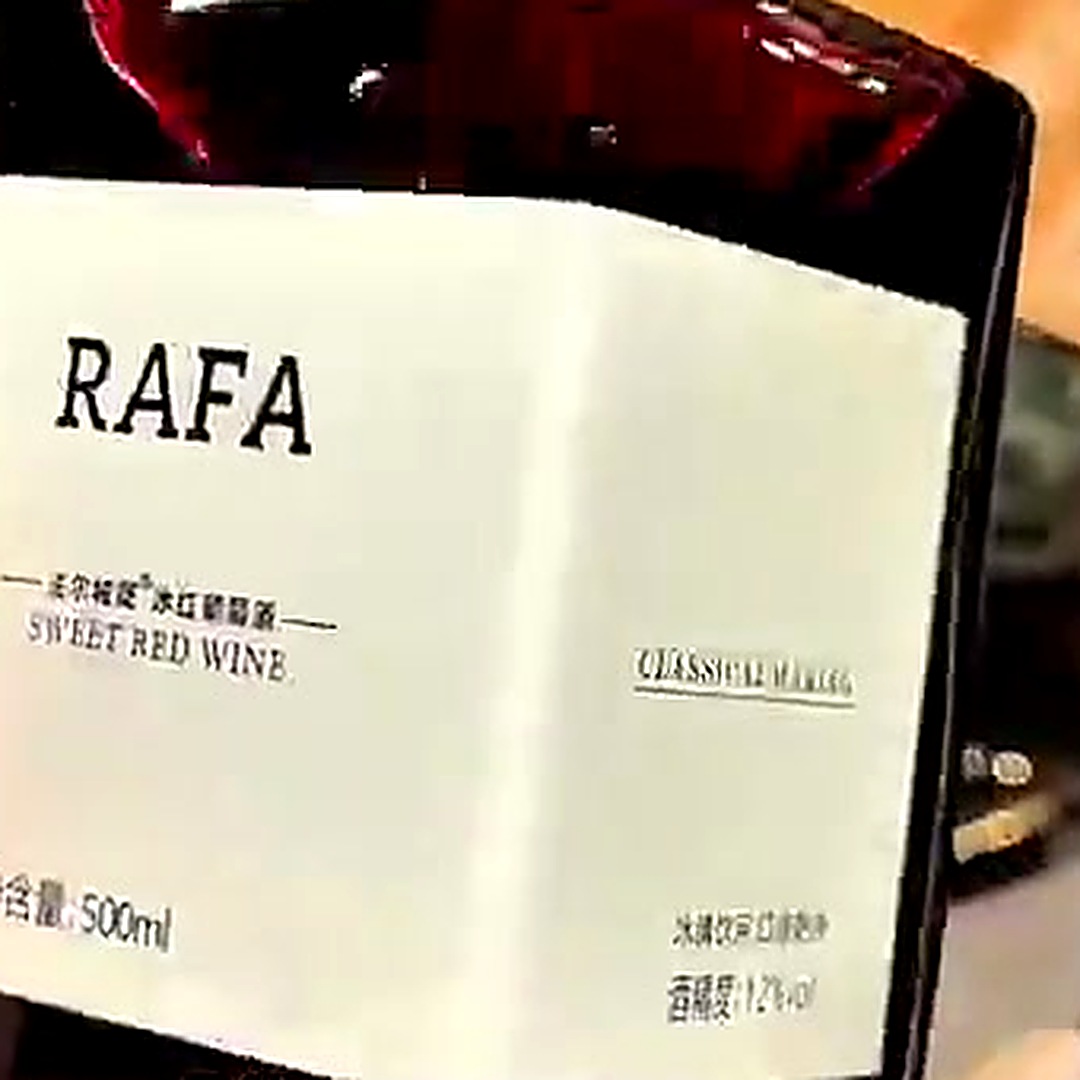
Solution: A 36-second video that covers "taste — ingredients — scenario — conversion" in one go
Precise Content Generation: Operators enter product information into DKS (category and taste, ingredient composition, target audience, drinking and gifting scenarios), and the system generates a complete short video script following the structure of "hook with emotion first, then explain taste, then prove ingredients, and finally close with scenarios," producing a single live-action-style sales video of about 36 seconds: opening with the exaggerated emotional hook "I'd call this the ultimate killer for drink lovers" to grab attention in three seconds, using "super rich grape flavor" and "the balance of grape and rose floral and fruity notes is just right" to achieve sensory seeding through the screen, then using "only grape juice and sulfur dioxide" and "made from premium Cabernet Sauvignon grapes" as ingredient trust endorsements, paired with taste analogies like "like grape juice with a bit of alcohol" and "you get tipsy before you know it as you drink" to lower the threshold for trying something new, and finally landing on the late-night snack scenario of "perfect pairing" and the gifting close of "as a goodnight gift for her, it's just too photogenic," with the entire video achievable with only hands on camera and tabletop staging.
Script Model Switching: Apply multiple script templates for the alcohol / tipsy economy industry, and mass-produce the same wine for different audience groups to ensure content is not repetitive.
Mass Production and Distribution: Enter product information once and batch-produce videos by template. Horizontal materials can be directly deployed to TikTok feed ads, and can also be exported in 9:16 vertical format for YouTube Shorts and Instagram Reels; the same wine can derive series topics such as "taste review," "late-night snack companion," "goodnight ritual," "gifting guide," and "affordable good wine for students." For seasonal marketing (Valentine's Day, 520, Qixi, year-end party season), content can be batch-prepared in advance, and materials can keep up the same day promotional mechanisms go live.
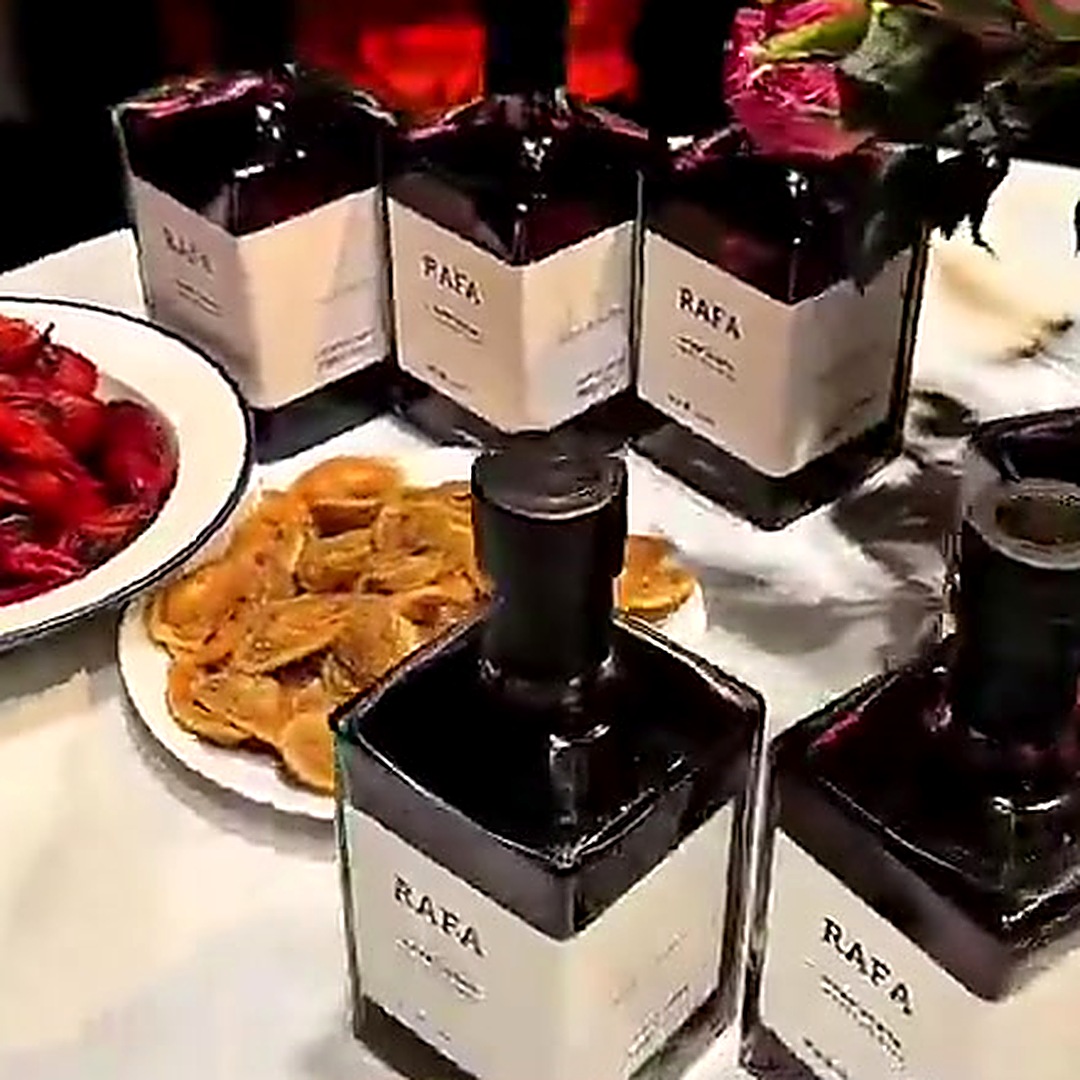
Implementation results: From "writing taste descriptions on the detail page" to "making people want to open a bottle in 36 seconds"
Capacity Improvement: From "one set, one shoot, waiting for schedules and outsourcing" to batch production by template, with seasonal marketing content ready a week in advance; eliminating model, set, and photography costs, the marginal cost per piece is compressed to single digits. The same product information can quickly derive multi-angle materials for emotion / taste / scenario / gifting for A/B testing.
Content Precision: Selling points go from the two words "tastes good" to a complete persuasion chain within 36 seconds covering "emotion — taste — ingredients — scenario" without missing a beat. Each video speaks to only one audience group — those seeking stress relief watch the tipsy state, those who scrutinize ingredient labels watch the clean composition, those buying gifts watch the photogenic packaging, and those comparing prices watch the promotional mechanism, with no repetition or conflict between them.
Customer Acquisition Loop: The emotional opening retains viewers, the taste visuals spark craving, the ingredient endorsement dispels concerns, and the late-night snack and gifting scenarios provide the reason to "buy now," directing seeding straight to the TikTok Shop / store checkout (the "second bottle for only 1 yuan" mechanism captures price-comparing audiences, per brand promotion); the comment section handles inquiries and private messages like "how strong is it" and "how's the packaging for gifting," while pre-season volume deployment forms a long-term loop of "see content → want to take a sip → order to try → repurchase for gifting," with store visits increasing period-over-period by [store visit increase percentage].